New animated series · Ages 5–9
Big questions.
Big questions.
Calm cartoons.
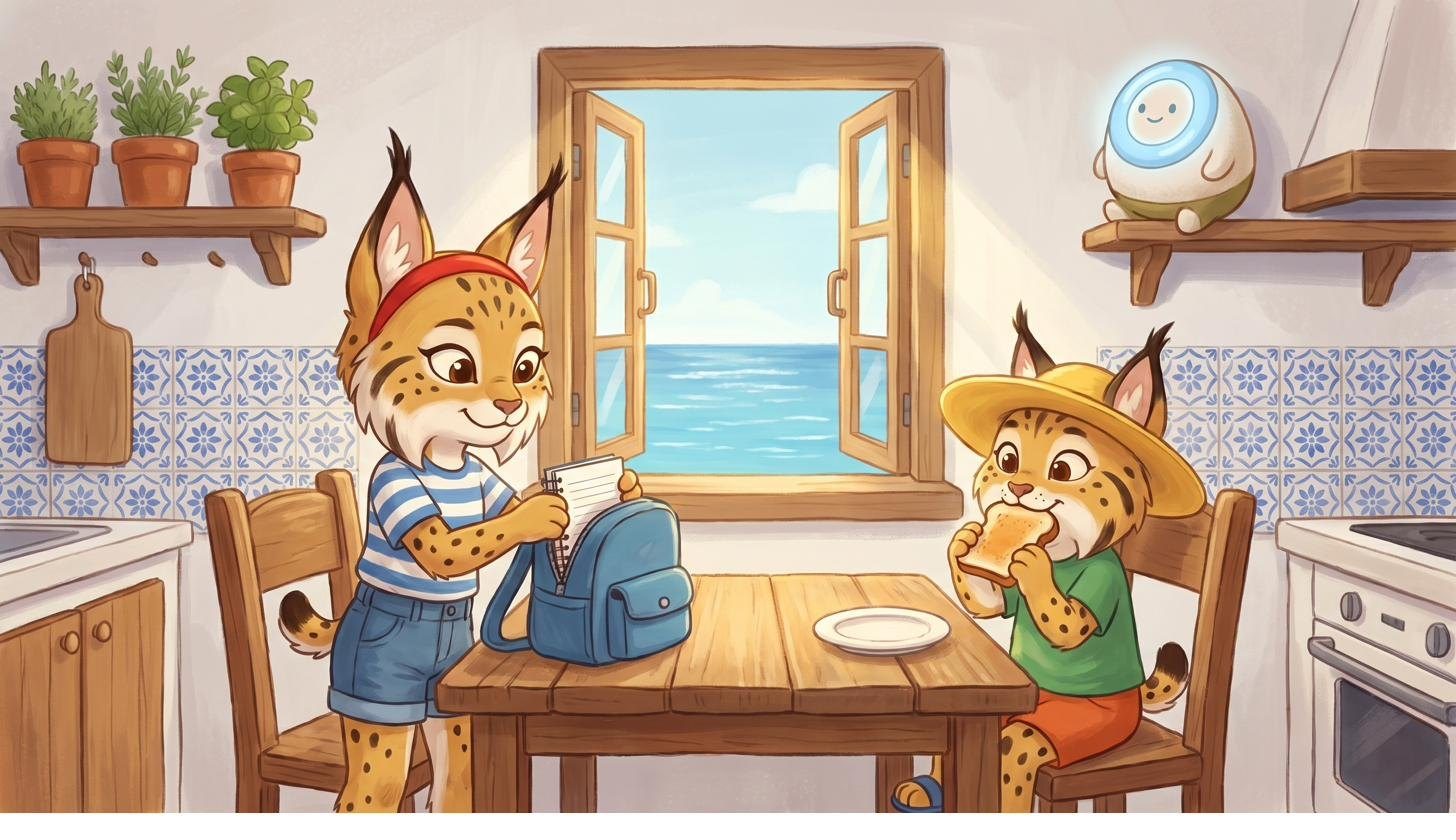
Two lynx siblings in a sunny seaside town learn what most cartoons skip: that AI can be wrong, what "private" means online, how saving works, and how to handle big feelings. One real lesson, seven gentle minutes.
7-minute episodes
No flashing, no frantic pacing
Free card with every episode
Made for talking about
The Cala Luna promise
Screen time you can feel good about.
Kids' video keeps getting louder, faster and more mass-produced. We're going the other way: slower, warmer, and made to start a conversation.
Calm by design
Slow camera, soft Mediterranean colours, nothing flashing, quiet music under the dialogue.
One real lesson
Every episode teaches one idea kids actually need, built into the story — never lectured at them.
Made for talking about
A free printable card with every episode: one dinner-table question, one 10-minute activity.
Honest about how it's made
Yes, we use AI tools. Every story, script and frame is still written and checked by a person.

Meet Chispa
The AI who learns to say "I'm not sure."
Lots of kids already talk to a smart speaker. Chispa, the family's cheerful helper, is confident, kind — and sometimes completely wrong. Through her, kids learn the most important thing about AI: it's a helpful tool, not an oracle. So we ask, and then we check.
Ask, and then check.
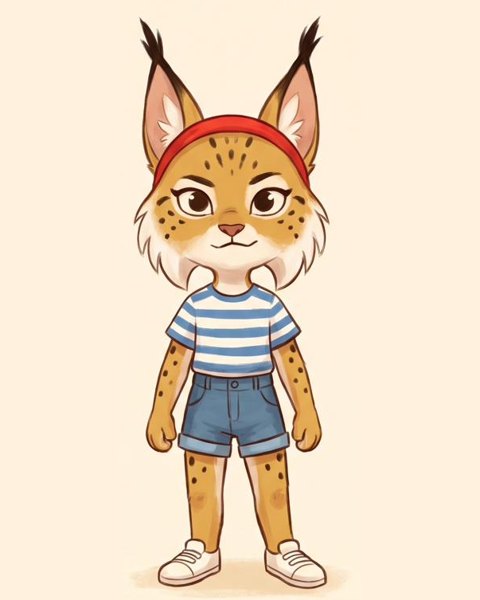
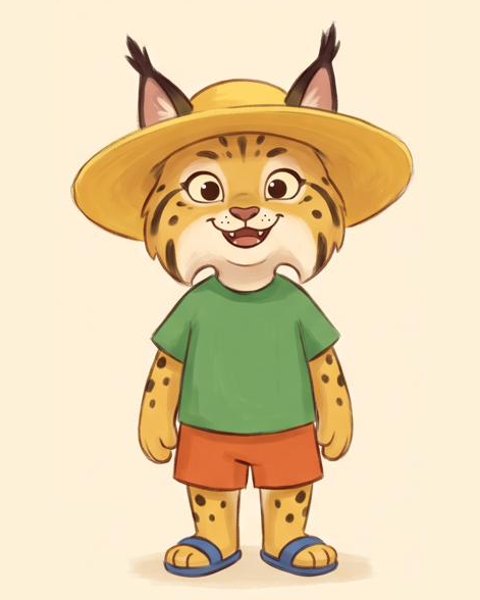
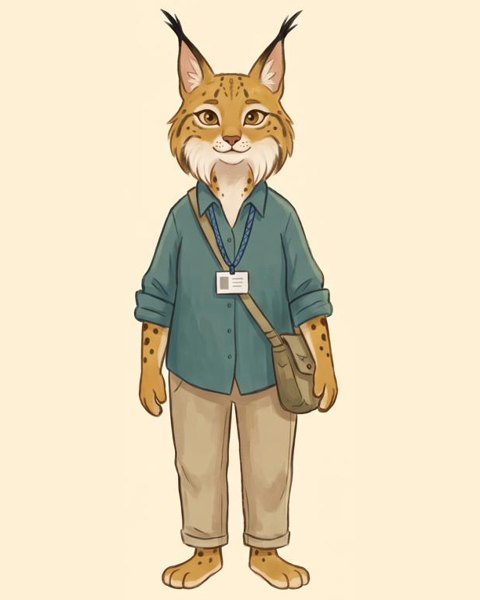
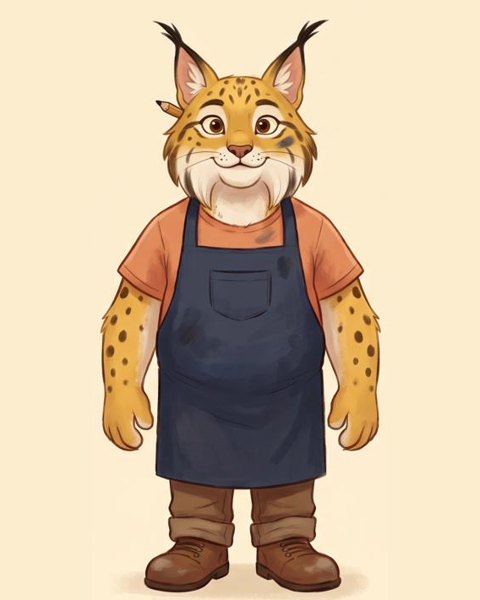
Meet the family
Life in Cala Luna
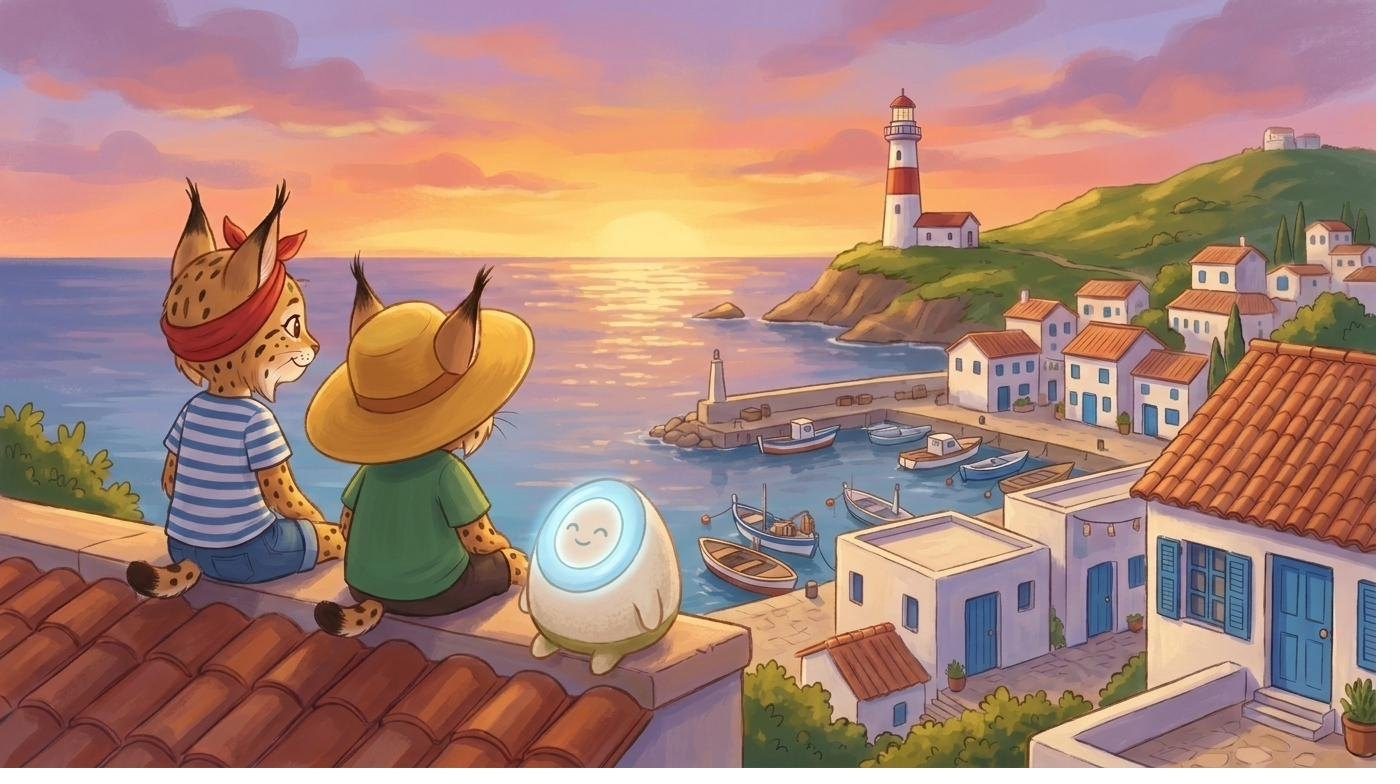
A family of Iberian lynxes — a real Spanish species that was nearly lost and is making a comeback — in a whitewashed town by the sea.
What kids learn
The things older cartoons skip.
Smart with AI & screensAI can be wrong, online strangers, spotting adverts.
Money senseSaving, needs and wants, earning your first euro.
FeelingsEmbarrassment, losing well, saying sorry properly.
Our planetPlastic, the sea, and how the lynx came back.
How things workTides, bikes, lighthouses and the weather.
Episodes
Watch free on YouTube
Free for parents & teachers
Turn 7 minutes of screen time into a real conversation.
Every episode comes with a printable "Talk about it" card: one dinner-table question and one 10-minute activity. Print it, stick it on the fridge, and use it at dinner.
Download the free cards (PDF, print at home)
Episode 1 card: Ask and Check
Episode 2 card: The Strange Message
No sign-up needed. Email updates for new cards are coming soon.
How we make it
Yes, we use AI. Here's how we keep it human.
The internet is filling up with fast, faceless AI videos for kids. Cala Luna is the opposite: one small studio, one careful episode at a time, with a real person responsible for every frame.
1
Written by a person
Every story and every line of dialogue starts with a human, built around one lesson.
2
Designed and locked
Each character and place has a fixed design, so the world stays consistent episode to episode.
3
Animated with AI tools
AI helps us animate — which is how a tiny studio can make a show at all. We say so openly.
4
Checked frame by frame
Every cut is reviewed by a person and fixed over several rounds before anything is published.
Coming soon: an educational advisor reviewing every script, credited on screen.